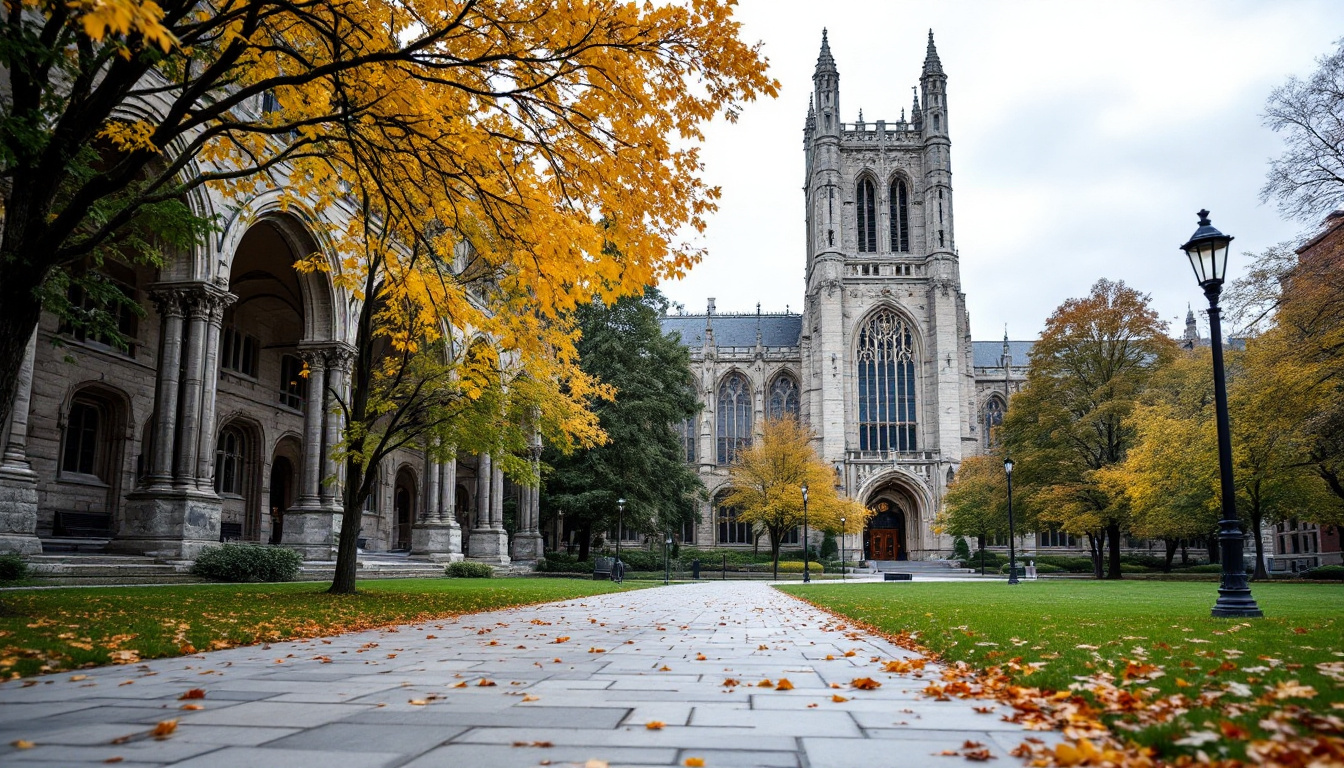
Uju Anya, an associate professor in Carnegie Mellon University's Department of Languages, Cultures, and Applied Linguistics, celebrated Charlie Kirk's death on social media. Then she posted this: "Die first, white man, and then ask yourself why I am dancing."
Her punishment is a voluntary leave through summer 2027.
Carnegie Mellon President Farnam Jahanian and Provost James Garrett Jr. released a joint statement saying the university was "aware of hostile and threatening social media posts by Dr. Uju Anya" and that these posts violated "community standards." The statement promised the school was "taking swift action." That was nearly a month ago. Twenty-five days later, the swift action turned out to be a paid trip to the sidelines.
Run the test in reverse. A conservative professor at any American university publicly celebrates the death of a progressive public figure and writes "die first" followed by a racial identifier. Not a dog whistle. Not a subtweet. The actual words "die first" directed at a racial group. That professor doesn't get a voluntary leave. That professor gets a security escort to the parking lot and a termination letter before the building closes for the night. The university president doesn't release a carefully worded statement about "community standards." The university president releases a press conference announcing the firing, flanked by the DEI office and two deans.
Anya's statement wasn't ambiguous. It wasn't academic provocation dressed up in theoretical language. She celebrated a man's death and told white men to die. Those are her words, in public, attached to her name and her institutional affiliation.
Alex Griswold, a spokesperson for the Foundation for Individual Rights and Expression, pointed out the obvious problem with Carnegie Mellon's framing. "'Disrespect in any form' is an insane standard for a university," Griswold said. "Offensive speech does not become a threat just because a university labels it 'threatening.'"
FIRE's point cuts in a direction Carnegie Mellon doesn't want to follow. If the speech is protected — and constitutionally, it likely is — then the university shouldn't be pretending it violated some code. And if it genuinely violated a code serious enough to warrant action, then a voluntary leave through summer 2027 isn't action. It's theater designed to look like accountability without producing any.
Corey DeAngelis, a research fellow at the Heritage Foundation, noted that the university "is running the same playbook it used in 2022." Anya drew national attention that year for similar posts. The cycle is familiar: inflammatory statement, public outrage, institutional hand-wringing, quiet resolution that changes nothing. "She is free to say what she wants," DeAngelis said. "But she should not be paid to mold the minds of students."
That's the part Carnegie Mellon's statement never addresses. Not whether Anya can say it — whether Carnegie Mellon should be paying her a salary while she does. The First Amendment protects her speech from government censorship. It doesn't require a private university to fund it. Jahanian and Garrett chose to keep writing the checks.
The mid-September posts were public. The university's response was public. The gap between the two tells you everything about where the institution's priorities actually sit. "Taking swift action" that arrives twenty-five days later and amounts to a leave of absence isn't swift and isn't action.
Voluntary leave through summer 2027. Carnegie Mellon's word for it is accountability. Anya's word for it is probably vacation.