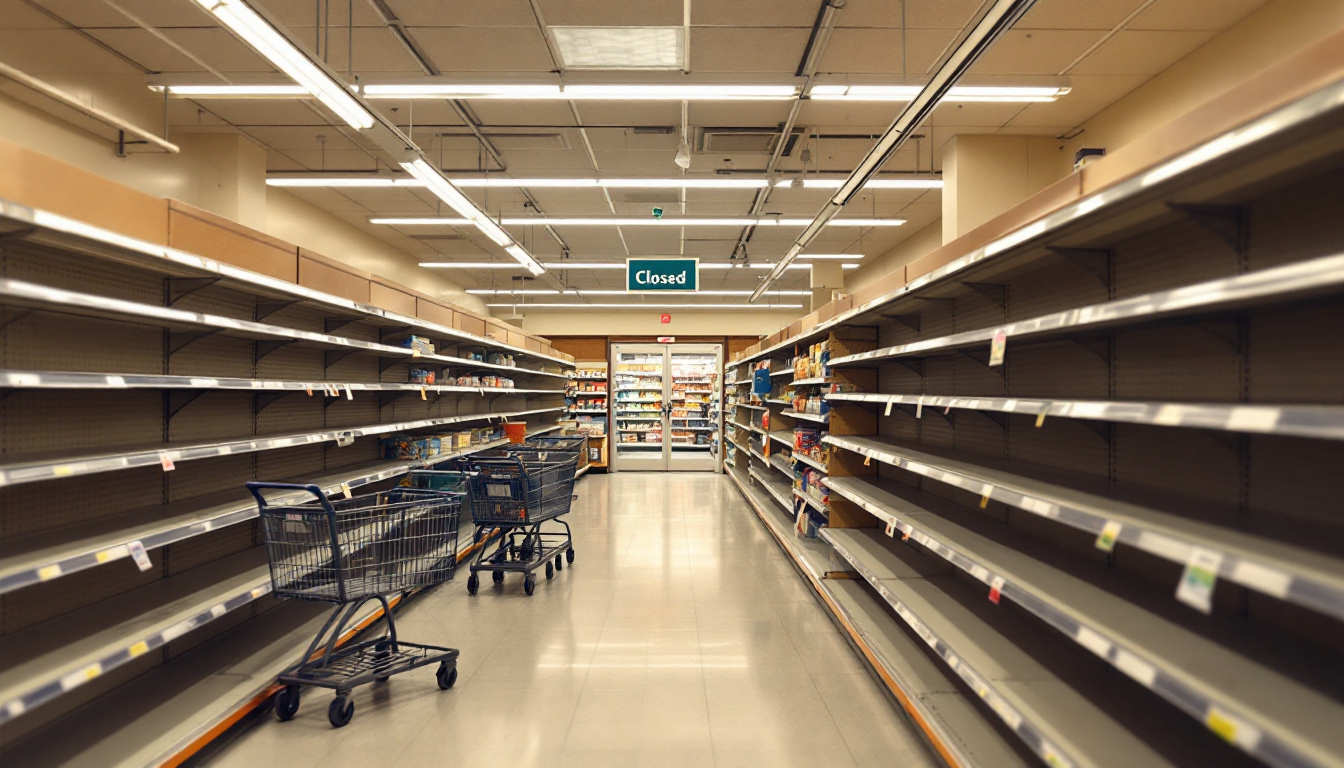
Seven Save A Lot grocery stores on Chicago's South and West Side permanently shut their doors on July 25. Neighborhoods like Englewood, West Garfield Park, Gresham, and Morgan Park — areas the city specifically targeted for food access investment — are now without a nearby grocery store.
The city had spent nearly $14 million to prevent exactly this.
Four years ago, Chicago cut a deal with Yellow Banana, a grocery operator, handing over $13.5 million in taxpayer money to reopen and renovate six Save A Lot locations in underserved neighborhoods. The idea was straightforward: pour public dollars into private stores, keep the shelves stocked, feed the community. The Englewood location alone received $13 million in city renovation funding.
Then Yellow Banana's CEO, Joe Canfield, died of a stroke in April 2026 at the age of 54. Shortly after, Save A Lot terminated its licensing agreement with Yellow Banana. The stores went dark.
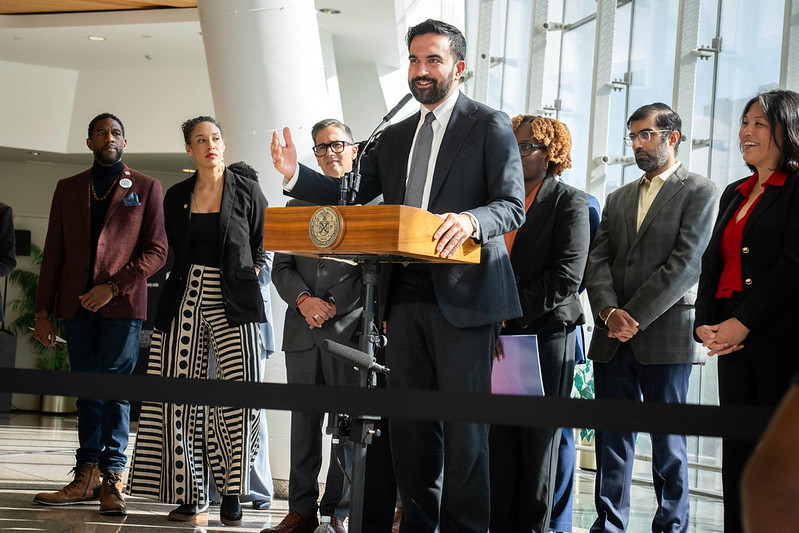
Chicago Mayor Brandon Johnson's explanation was predictable. "You know what's happening at the federal level?" Johnson said. "That's what's causing the disruption of the local market." He blamed cuts to SNAP benefits for undermining the stores' business model.
Here's what he left out. SNAP revenue at these six stores accounted for nearly 50% of total revenue. Year-over-year SNAP sales had declined 27%. The stores were already projected to lose $500,000 in 2026 before any federal cuts took effect. These stores weren't viable businesses propped up by a temporary subsidy. They were government-dependent operations running on a single revenue stream, and when that stream thinned, the whole thing collapsed.
The city's own compliance records tell the rest of the story. Yellow Banana was fined $5,735.23 at its Morgan Park location for failing to meet workforce requirements — specifically, only 43% of work hours went to Chicago residents against a required 50%. The Gresham location racked up $70,000 in liquidated damages for similar non-compliance. The deal also required 26% minority-owned business allocation and 6% women-owned business allocation. Whether those benchmarks were met is conspicuously absent from the city's public statements.
The pattern here is one Chicago knows well. The city identifies a crisis in a low-income neighborhood. It throws millions at a private operator to solve it. The operator takes the money, underperforms on the contract, and eventually folds. The mayor blames Washington.
The federal government didn't structure a grocery business model where half the revenue comes from a single entitlement program. The federal government didn't pick Yellow Banana as its partner. The federal government didn't skip enforcement when the operator failed to meet its own contract terms. Chicago did all of that. SNAP policy changes may have accelerated the timeline, but a business that can't survive without 50% of its revenue coming from government transfers was never a business. It was a subsidy with a produce aisle.
The grocery shelves are empty, but the excuses are fully stocked.