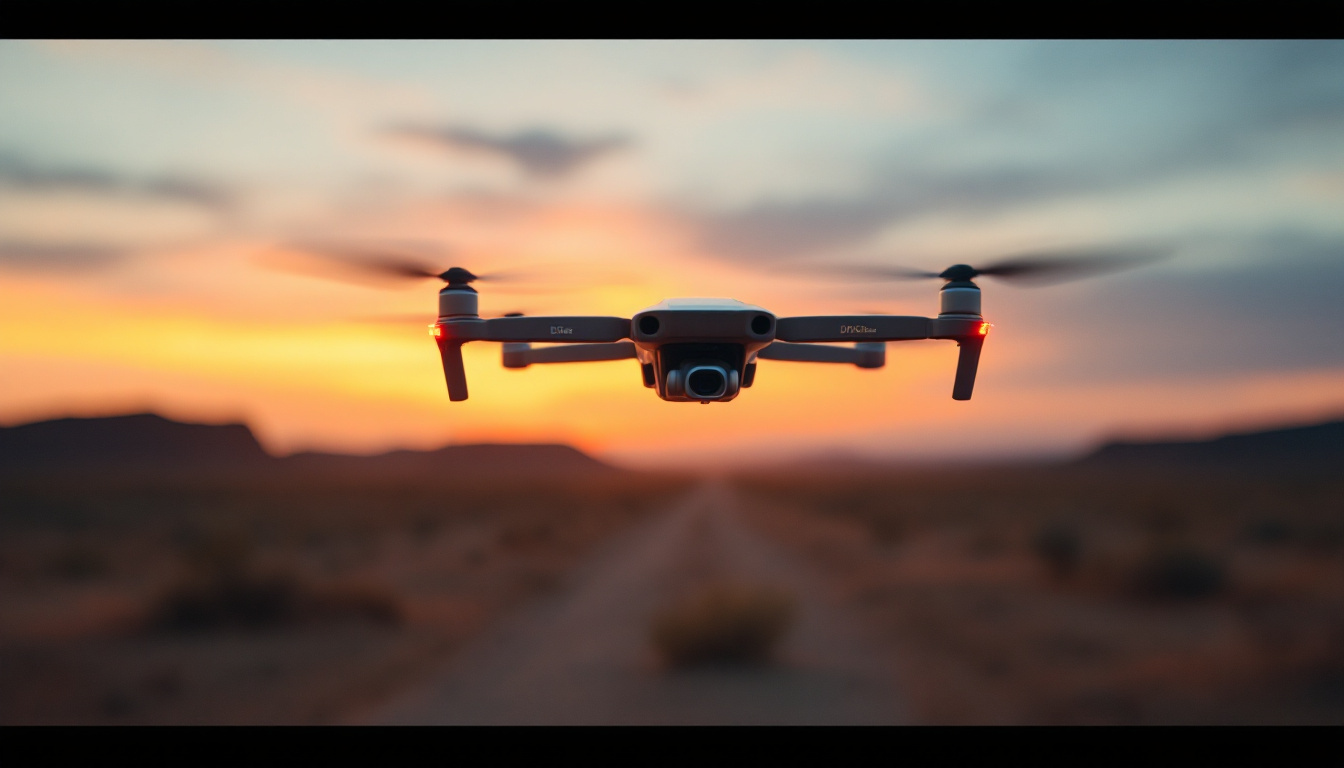
Last week, the U.S. Army used a high-energy laser to shoot down three cartel-linked drones over the Rio Grande Valley in southern Texas. It was the first time the military deployed the Army Multipurpose High Energy Laser — the AMP-HEL system — against cartel aircraft on American soil. The drones, the Pentagon said, posed "a physical threat" to U.S. military and Customs and Border Protection personnel.
The question nobody in Washington seems eager to answer is where the cartels learned to fly like that.
Todd Bensman, Senior Research Fellow at the Heritage Foundation's Border Security and Immigration Center and a former Senior Adviser to the U.S. National Counterterrorism Center's counter-cartel program, has been documenting the answer. Writing in The Blaze and The American Mind, Bensman reports that operatives from Mexican and Colombian drug cartels infiltrated Ukraine's military — widely considered the world's leading drone-warfare force — to learn cutting-edge drone tactics they could bring home.
In July 2025, Ukraine's Security Service launched an investigation after Mexico's National Intelligence Center warned that cartel fighters had embedded themselves in Spanish-speaking units of Ukraine's International Legion. Their reported objective: learn to fly First-Person View drones, study drone-attack technology, and absorb battlefield tactics from the most drone-intensive war in modern history.
What they brought back is already visible. The Cártel de Jalisco Nueva Generación — the CJNG — has established dedicated drone units whose members wear patches reading "Operadores Droneros." Between 2021 and 2025, the CJNG was linked to roughly 42 drone attack incidents that resulted in 21 deaths. Videos circulating on social media show cartel members displaying FPV drone models similar to those developed on Ukrainian battlefields — including variants that use fiber-optic connections to bypass electronic jamming.
What started as cartel members strapping hand grenades onto commercial quadcopters has evolved into 3D-printed munitions, sophisticated counter-drone systems, and FPV attack platforms that would look at home in Donetsk. By late 2025, the Sinaloa Cartel had adopted FPV drones as well, escalating an arms race between Mexico's two most powerful criminal organizations.
Tens of thousands of drone incursions are recorded along the southern border each year — and those are only the ones that get detected.
The reflexive objection is that Bensman's claims remain unverified by the U.S. intelligence community. Which is an interesting defense, given that the Army just had to fire a laser at cartel drones threatening American personnel in Texas. The technology transfer doesn't need a classified briefing to confirm. It's on video. The patches are real. The dead bodies are real. The laser the Army pointed at our own border is real.
The broader pattern is hard to miss. The United States poured billions into Ukraine's war effort, and Ukraine became the world's foremost laboratory for cheap, lethal drone warfare. That expertise didn't stay on the battlefield. It leaked — through foreign volunteers, through social media tutorials, through cartel operatives who showed up to "fight for democracy" and went home with a very different skill set.
Nobody is suggesting we shouldn't have supported Ukraine. But the second-order consequences of creating the world's most advanced drone-warfare ecosystem were predictable to anyone who's watched how technology proliferates. Cartel leaders aren't stupid. They saw what a $500 FPV drone could do to a Russian tank, and they did the math on what it could do to a rival convoy in Sinaloa.
The Army's laser worked on three drones in Texas. The cartels have thousands.