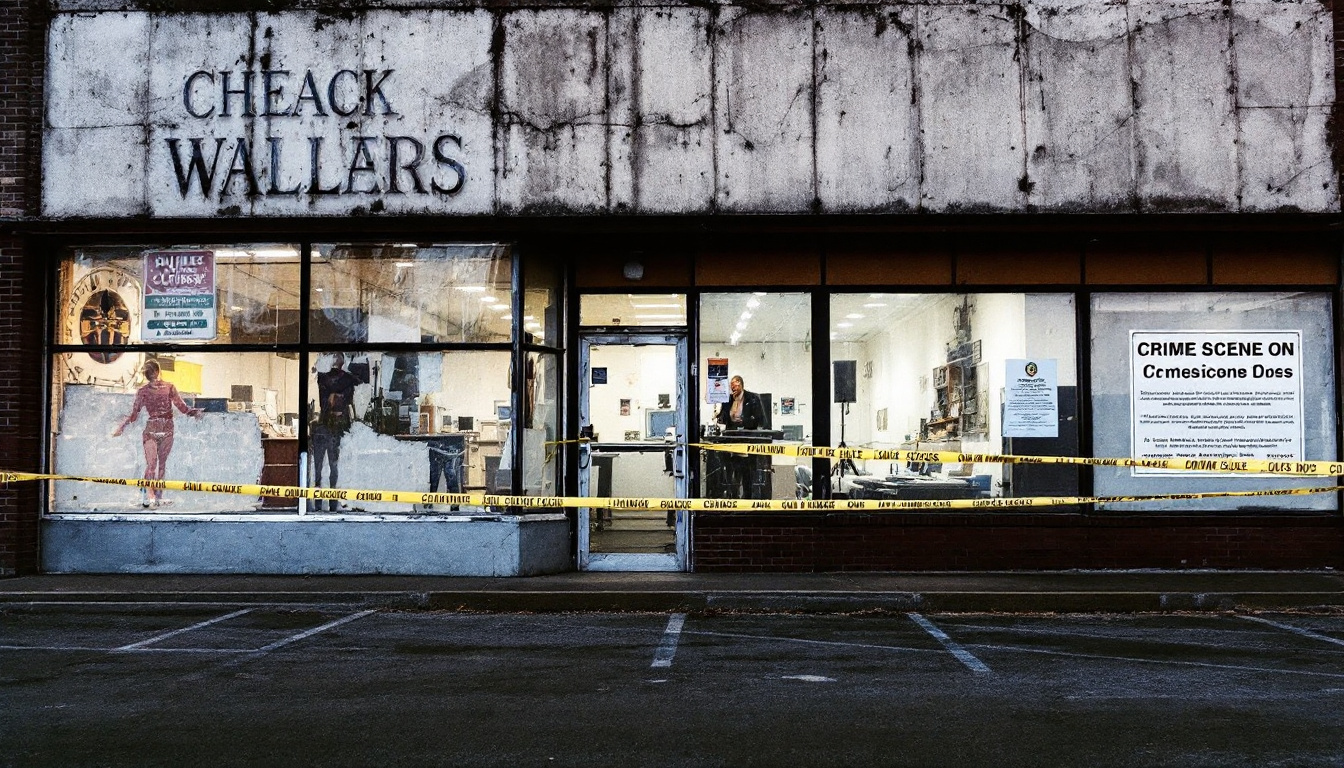
A Memphis establishment called Marisqueria El Corral received its first Paycheck Protection Program loan of $32,300 on June 2, 2020, from Commerce Bank. Twenty-three days later, it received a second PPP loan of $45,065 from a company called MBE Capital Partners. Both loans were forgiven in full.
Then ICE raided the place and arrested over 120 illegal aliens inside.
The total haul from American taxpayers: $77,365. The business applied for the first loan claiming to be a "Snack and Nonalcoholic Beverage Bar" with 50 employees. The second application, filed just three weeks later through a different lender, listed itself as a "Drinking Places (Alcoholic Beverages)" establishment — also with 50 employees. Same address. Same owner. Two different industry classifications. Two different lenders. Both approved.
As reported by Not the Bee and originally surfaced by the Tennessee Star, the Sunday raid in Memphis didn't just expose a building full of people who shouldn't be in the country. It exposed a business that had already double-dipped into a program designed to keep American workers employed during the pandemic.
Under the CARE Act, businesses were prohibited from receiving multiple PPP loans. That rule, as it turns out, wasn't enforced. Marisqueria El Corral sailed through the process twice without a single flag.
The second lender makes the story even better. MBE Capital Partners' own CEO pleaded guilty to conspiracy to commit wire fraud involving false PPP loan documents. So we've got a business full of illegal immigrants collecting pandemic relief through a lender whose top executive was later convicted of PPP fraud. The program worked exactly as designed — just not for you.
The SBA handed out roughly $800 billion in PPP loans during Covid. The Inspector General's office has spent years chasing fraud cases, and stories like this keep surfacing because the front door was never guarded. No verification that employees were legal. No cross-referencing of applications across lenders. No check on whether the same address had already received funds.
The government's position on PPP fraud has always been that they had to move fast and couldn't let paperwork slow down relief. Speed was the priority. Fine. But speed that sends $77,365 to a building where ICE eventually finds 120 people who aren't authorized to work in the United States isn't urgency. It's negligence with your credit card.
Defenders of the PPP program point to the millions of legitimate small businesses it saved. And it did. But that argument works better when the fraud examples involve at least plausible operations — not a bar that filed two applications under two different industry codes through two different lenders in the same month and got both approved without question.
This is the same federal government that audits your $600 Venmo transactions. The same IRS that sends letters if your Schedule C math is off by twelve dollars. That government gave pandemic money to an establishment full of people who can't legally hold a W-2, through a lender whose CEO went to prison for faking PPP paperwork.
Two loans. Two lenders. Two industry codes. One address. One raid. One hundred twenty arrests. Zero dollars recovered.
That's not a gap in the system. That's the system.