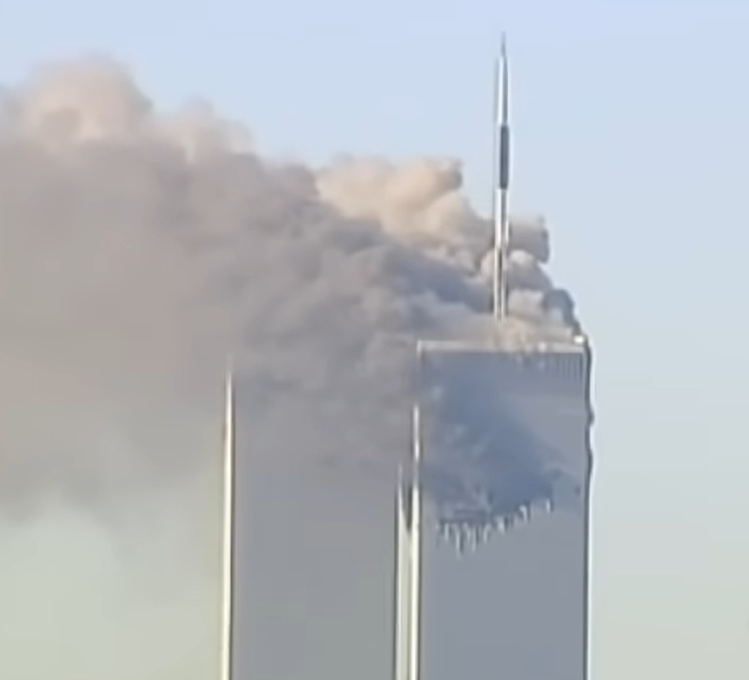
In January 2007, FBI agents sat with Khalid Sheikh Mohammed at Guantánamo Bay over four days. He was the self-described mastermind of the September 11 attacks. He confessed — not under CIA interrogation, but in a separate session conducted by a different team, under conditions prosecutors argued were clean.
Last week, Air Force military judge Lt. Col. Michael Schrama threw that confession out. His ruling: the prosecution failed to prove Mohammed's statements were voluntarily given. Among his specific findings — KSM was given no Miranda warning, was told he could not speak to a lawyer, and years of CIA handling had left him with the understanding that failure to cooperate with interrogators would bring severe consequences. Schrama ruled the FBI session was tainted by all of it.
The 9/11 trial is now set for June 2028. Just days before the 25th anniversary of the attacks.
It is worth knowing what else Schrama has put on paper.
In 2023, Schrama published an essay in War on the Rocks titled "Creating a Codified Legal Response to Domestic Extremism in the Ranks." His argument: the military's existing legal tools aren't sufficient to deal with what he described as a "rising population of military members engaging in extremist activities." The threat he had seen firsthand as an active-duty Air Force judge — the one he wanted new legal codes to address — was the political leanings of the people already wearing the uniform.
Schrama cited a Center for Strategic and International Studies study claiming 17.6% of domestic terrorism plots and attacks involved individuals with military backgrounds. He flagged the January 6, 2021 Capitol breach, noting that approximately one in eight defendants had military connections.
What he left out was the Department of Defense's own data: out of a total military force of nearly 2.5 million, fewer than 100 service members were found to have engaged in prohibited extremist activity. A rate that rounds to zero. Schrama wasn't building a case on proportionality. He was building a framework.
The essay arrived while the Biden-era Pentagon was already deep into its ideological reorientation. Former Defense Secretary Lloyd Austin and former Joint Chiefs Chairman Gen. Mark Milley had made combating "extremism" in the ranks a stated top priority — a priority that, in practice, produced mandatory training sessions and political screening. The Department of Defense dedicated 5.3 million hours to extremism-related discussions under that initiative. Five point three million hours redirected away from readiness, training, and actual threats.
Republican senators pushed back. Former Oklahoma Senator James Inhofe and colleagues wrote that "we face real threats across the world, yet the Biden Administration is more focused on promoting its leftist social agenda" and added: "Our military is not an extremist organization, and our service members, by and large all good people, are dedicated, faithful patriots."
The trajectory held. And the judge who looked at the volunteer ranks and saw a right-wing recruitment pipeline is now the judge who decided that KSM's confession to the FBI — in a session specifically designed to be coercion-free — still couldn't be used at trial.
Nearly 3,000 people were murdered on September 11, 2001. The man who planned it confessed to the FBI. The judge assigned to weigh that confession spent his academic energy arguing that the real danger in the military ranks isn't foreign-directed terrorism — it's the politics of the people who volunteer to serve.
Left-wing legal commentators are already defending the ruling on due process grounds, arguing CIA interrogation methods tainted everything downstream, including the later FBI interview. A confident position to hold about a classified proceeding most of these commentators have never reviewed — while simultaneously arguing that a judge's published ideological views about the political leanings of soldiers are irrelevant to his judicial conduct.
The 9/11 families have waited a generation for accountability. The man who planned the murder of their husbands, wives, sons, and daughters confessed to the FBI. The judge assigned to weigh that confession had already written down which Americans he considers the real threat.
The trial is set for June 2028. The essay is still online.