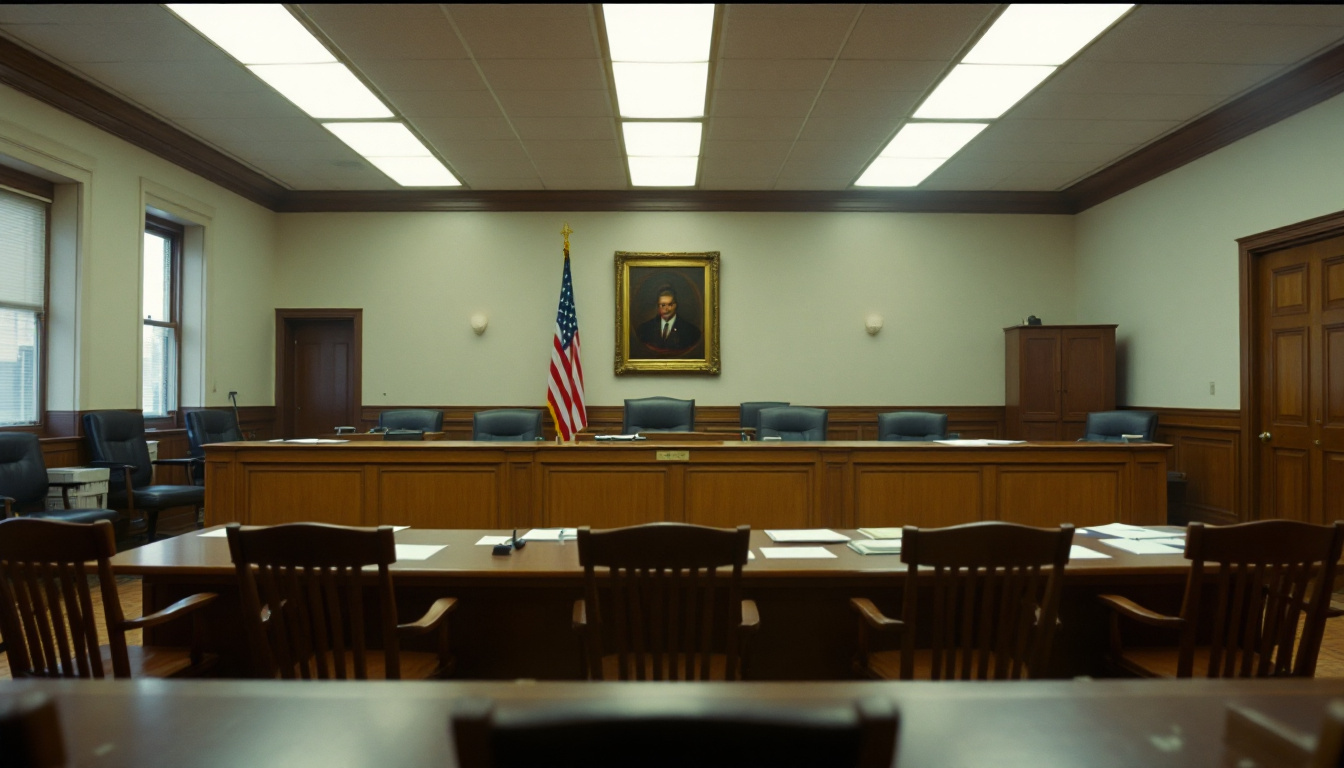
Twenty-three jurors reviewed 132 subpoenas, heard from 43 witnesses, combed through phone forensic reports, GPS logs, and security camera footage from Horn Island, Mississippi. On September 21, they returned a unanimous no true bill in the death of eighteen-year-old Nolan Wells.
The case that was supposed to be the next Emmett Till ended with two words: no charges.
Jackson County District Attorney Angel Myers McIlrath didn't mince the findings. "There is absolutely no evidence to support the allegations that Nolan's disappearance and death were racially motivated," she said. Then she went further: "Nolan's friends loved Nolan, and Nolan loved them. Nolan chose to stay on the island that day, and there is not a scintilla of evidence to contradict that."
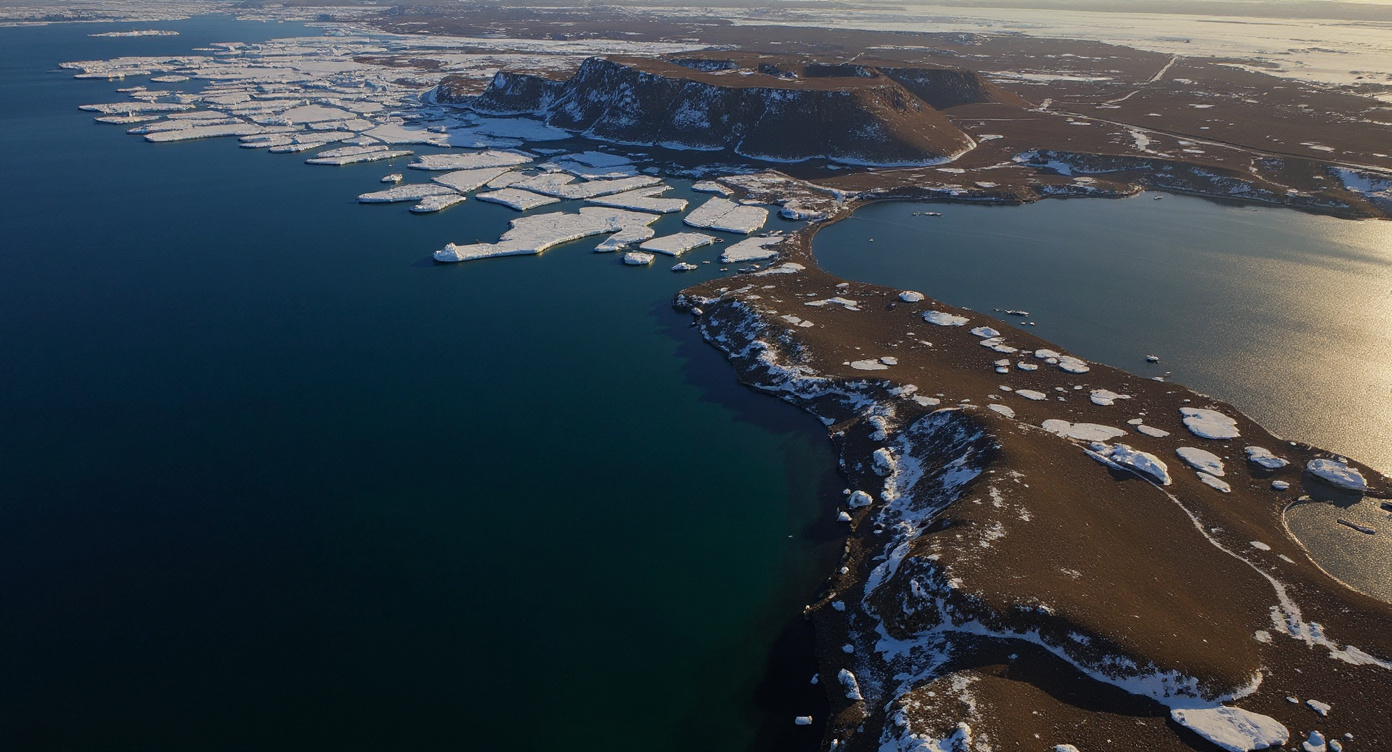
Wells, a freshman wide receiver at Southwest Mississippi Community College, traveled to Horn Island on July 4, 2026, aboard a boat called The Triton with friends to celebrate the holiday. His body was found in the water off Horn Island on July 6. Both the Mississippi State Chief Medical Examiner and an independent forensic pathologist hired by the Wells family agreed: cause and manner of death were undetermined. Accidental drowning was not ruled out.
The grand jury's racial composition — since that will inevitably be challenged — was twelve Caucasians, five African Americans, one Asian, two Hispanics, two Native Americans, and one listed as "other." Thirteen men and ten women, ages 27 to 68.
None of that mattered to the machine that had already rendered its verdict months ago.
Attorney Ben Crump took the case. Reverend Al Sharpton showed up at the funeral and announced a $50,000 reward. Tyler Perry matched it. NFL Hall of Famer Terrell Owens added $25,000, bringing the total to $125,000 for information leading to an arrest. Texas Democrat Representative Jasmine Crockett weighed in. The narrative was locked: a young Black man went to an island with white friends and didn't come home, and somebody was going to pay for it.
The grand jury addressed the viral claims one by one. Allegations of a fight involving Wells — false. Claims against his friends and their families — false. Pool party photos that circulated online predated July 4 entirely. An audio recording of a SeaTow call that went viral was, per the grand jury, "inaccurate compared to the original recording." Claims that the medical examiner's office withheld major organs were debunked as standard autopsy procedure.
Every brick in the outrage wall turned out to be cardboard.
A witness testified that Wells "slipped awkwardly off the side of a boat" but continued socializing and appeared uninjured. The bruising on the back of his head was non-fatal. His phone ended up on a different vessel heading to the mainland — as did phones belonging to other passengers on other boats. Wells chose to stay on the island after The Triton departed. The boat itself took on water due to bilge pump and motor failure and had to be towed back.
McIlrath reserved her sharpest words for the legal team that fueled the fire. "I'm not suggesting that a grieving mother police the rumors surrounding her child's death," she said. "What I am suggesting is that the Crump team knew better but did not do better."
Crump's response was predictable. "We don't know how Nolan died, and neither does the State of Mississippi. Mississippi must keep investigating." The grand jury's findings, he said, left "more questions than answers." A $125,000 reward and 132 subpoenas later, the questions are apparently still unanswered — just not in the direction Crump needed them to be.
The case followed a pattern so familiar it practically runs on autopilot: tragedy, racial framing, celebrity amplification, media saturation, then a quiet factual collapse that gets a fraction of the coverage.
Mississippi has no statute of limitations on homicide. If credible new evidence surfaces, the case can go back to a grand jury. That door stays open.
The $125,000 reward is still on the table. Forty-three witnesses have testified. Zero charges filed.